
Locks for Shops, Offices and Rentals
A business lock has two jobs: to keep people out at night and to let them out by day. We work for small business owners and property managers on storefronts, back doors and rental units.
What the Door Has to Do
| Business need | Lock or hardware option | Best suited for |
|---|---|---|
| A glass storefront door | Mortise cylinder in an aluminum door, with a hook or long-throw bolt | Shops and cafés on the main roads |
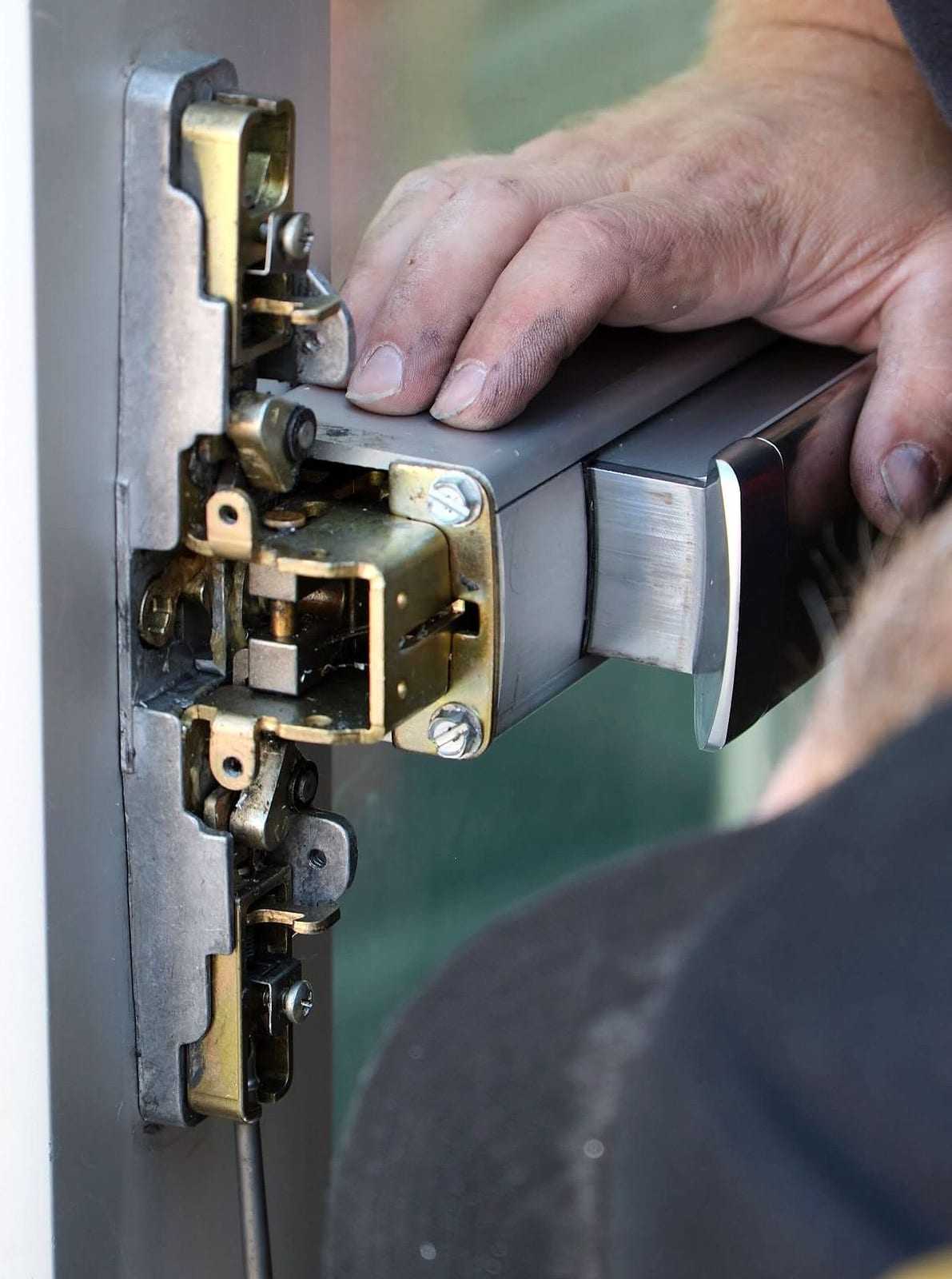
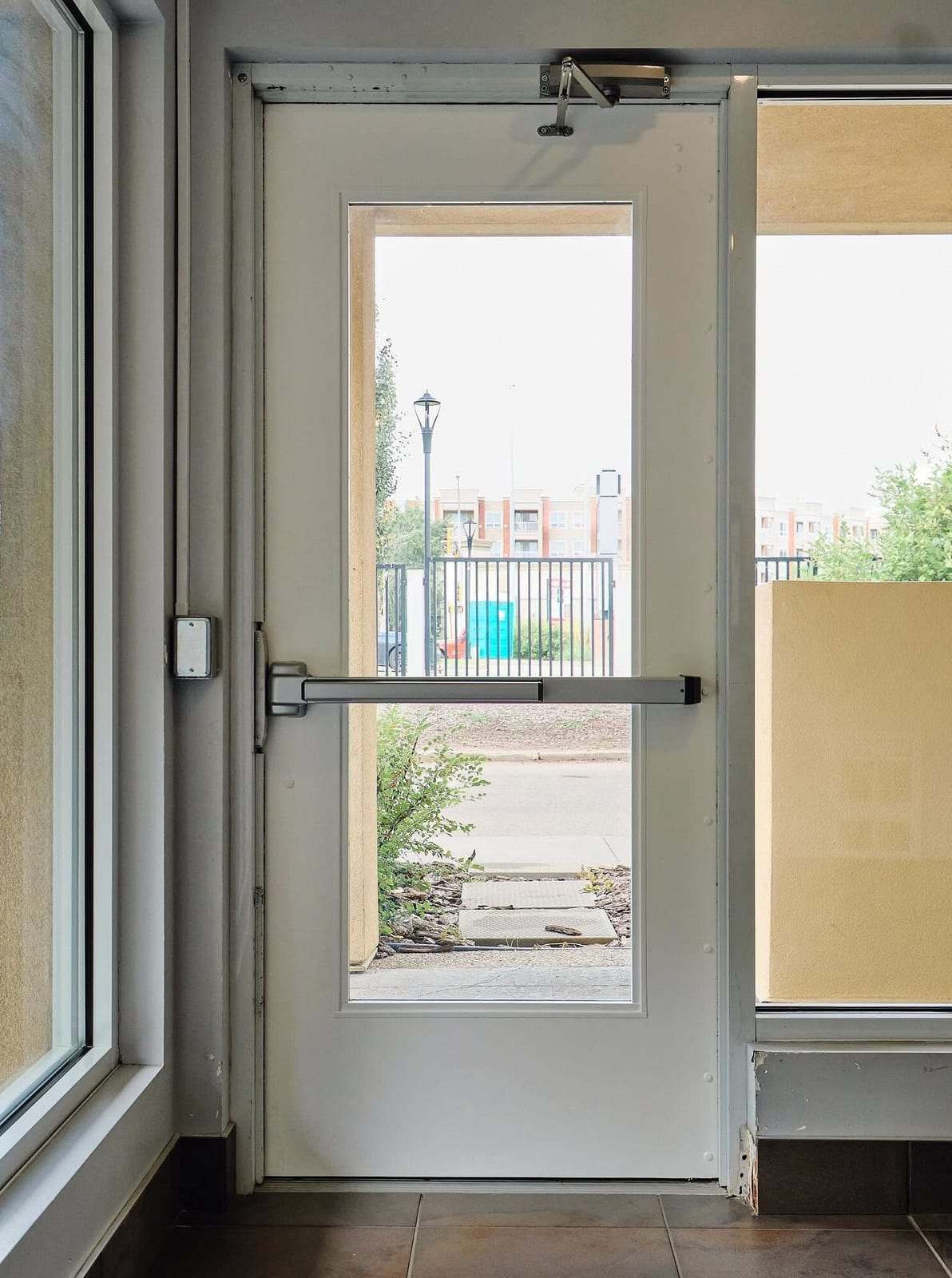
| A back door that must open from inside | Exit device (panic bar), with an outside cylinder if staff come in that way | Stores, kitchens and any room many people leave at once |
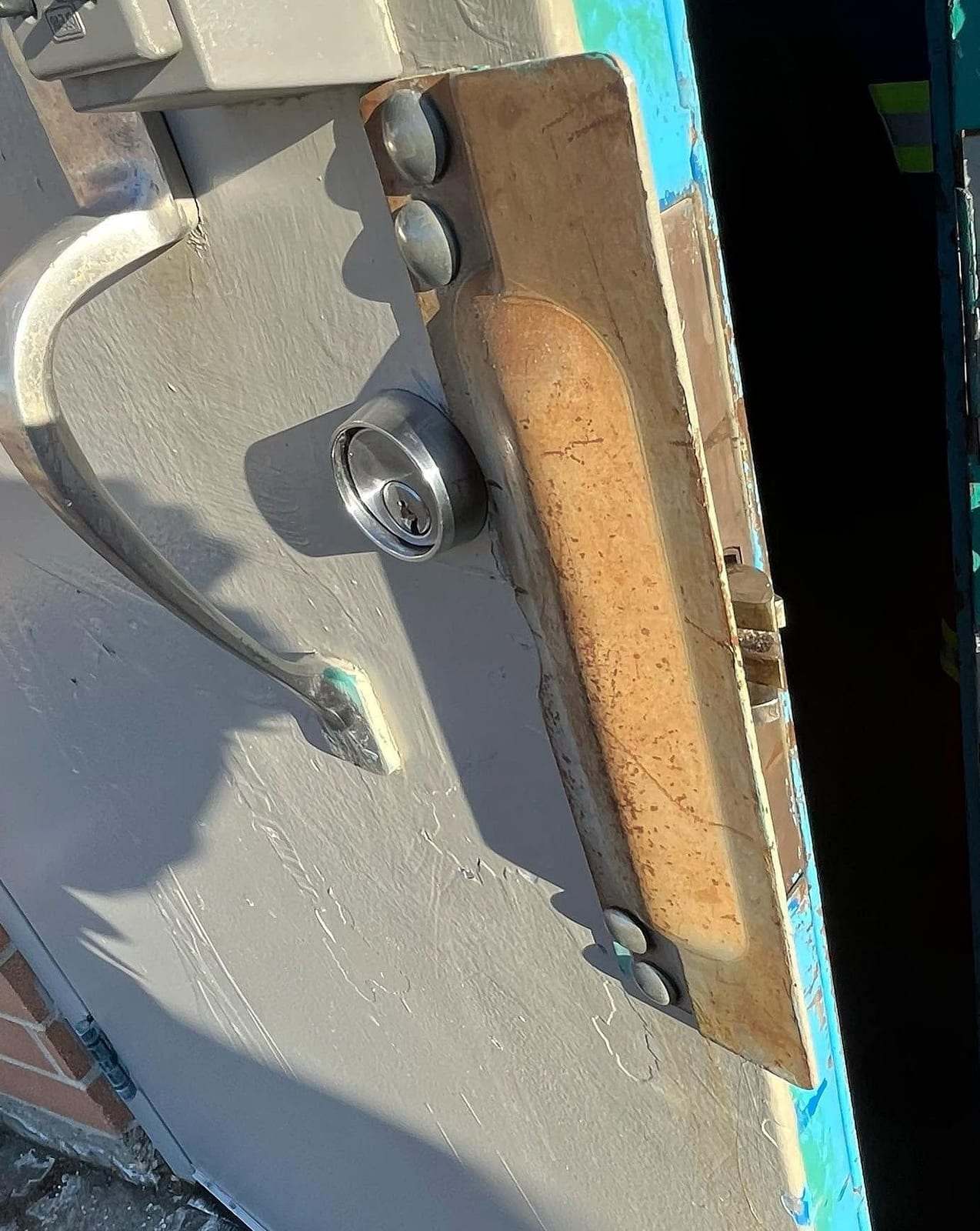
| A door that gets pried at the edge | Latch guard over the gap, with a hardened cylinder collar | Alley and loading doors |
| An office people walk in and out of | Lever lockset with a storeroom or office function | Offices, clinics and salons |
| A room only two people should enter | Storeroom lever that locks every time it shuts | Stock, files, cash |
| Staff who come and go | Restricted keyway, or a keypad lock with codes | Places where copies of keys keep appearing |
| Units that change hands | Cylinders on one keyway, rekeyed between tenants | Apartments and small commercial buildings |
The Back Door Deserves the First Look
Owners think about the front, because customers see it. The back is where a lock lives in the weather, gets kicked open by deliveries and sits out of sight all night. A steel door there can carry three or four coats of paint, a latch guard bent by an old pry mark and a cylinder that was changed once and forgotten.
Look at the edge where the latch meets the frame. If you can see the latch, so can somebody with a screwdriver. A guard closes that gap. Look at the cylinder next: it should sit in a collar that turns freely and leaves nothing to grip.
Then shut the door gently and let go. It should latch by itself. If it needs a pull, every closing shift will forget it sooner or later.
A Lock Review for Your Business
- Entry doors: does the main door latch on its own, and does the bolt throw all the way?
- Back doors: is the latch covered, and can anyone inside get out without a key?
- Storerooms and offices: which of them lock themselves, and which are only shut?
- Key control: who has a key today, and is there a written list that matches the rings?
- Staff changes: when did the last person with a key leave, and what was done about it?
- Outside hands: cleaners, delivery drivers and the last contractor count too.
Planning a Rekey Across Several Doors
- Draw the place, or walk it, and number every keyed door, including the gate, the office and the roof hatch.
- Write down who truly needs to open each one. The list is always shorter than the number of keys in pockets.
- Group the doors. Front and back might share a key; the stockroom might not.
- Check the keyways. Doors that share one can be keyed alike without new hardware.
- Pick a time, and decide which door is done last so nobody is stranded outside.
- Hand out the new keys by name, collect the old ones, and keep one full set off the premises.
Aluminum doors, exit devices and levers come apart in different ways, so the kind of door matters as much as the number. A photo of each lock sent by email before the visit answers most of it.
Questions From Owners and Managers
Can you work while we are open?
Rekeying is quiet, and a door is out of action only while its cylinder is on the bench. Say when your slow hours are and which door customers use, and the order can be planned around them.
What is a master key system?
Each door has its own key, and one further key turns them all. It is done with extra pins in each cylinder, and it wants planning: every level added gives a lock more ways to be turned. Small places often do better with two or three groups of doors keyed alike. If you think you need a full system, ask, and bring a list of doors and people.
How often should a rental be rekeyed?
Every time a tenant leaves. Keys are copied, lent and forgotten in drawers. Keeping the building’s cylinders on one keyway makes the change a matter of pins rather than new locks.
Our panic bar sticks. Is that a lock problem?
It is a door problem first. Exit devices suffer when hinges sag or a closer slams. A bar that has to be pushed twice should be looked at straight away, since it is the way out.
The door will not lock unless somebody pulls it. Why?
The latch and the strike no longer meet. Heat moves aluminum doors, closers lose their last few inches of pull, and pivots wear. Adjusting the closer or the strike usually comes before any talk of a new lock.
Several doors, or one that worries you? Tell us about the building and we will plan the visit.