
Choosing a Lock
Boxes on a store shelf all promise safety. The useful questions are duller: what door is it for, who needs to get in, and what happens on the day the key or the battery is missing.
Compare Up to Three Locks
Pick two or three kinds and see them next to each other.
The comparison will show here.
Lock Types, Side by Side
| Lock type | Best suited for | Security considerations | Installation considerations |
|---|---|---|---|
| Single cylinder deadbolt | Front and back doors of most homes | Solid bolt, no spring. As strong as its strike and the screws behind it. | Standard bore on most doors. The bolt must reach full depth. |
| Keyed knob or lever | Inside garage doors, side doors, as a partner to a deadbolt | Holds with a latch. Never enough alone on an outside door. | Quick to change. Levers are easier on hands than knobs. |
| Double cylinder deadbolt | Doors with glass within reach of the thumb turn | Needs a key inside too, which is a danger in a fire. | Check local rules before putting one on a home. |
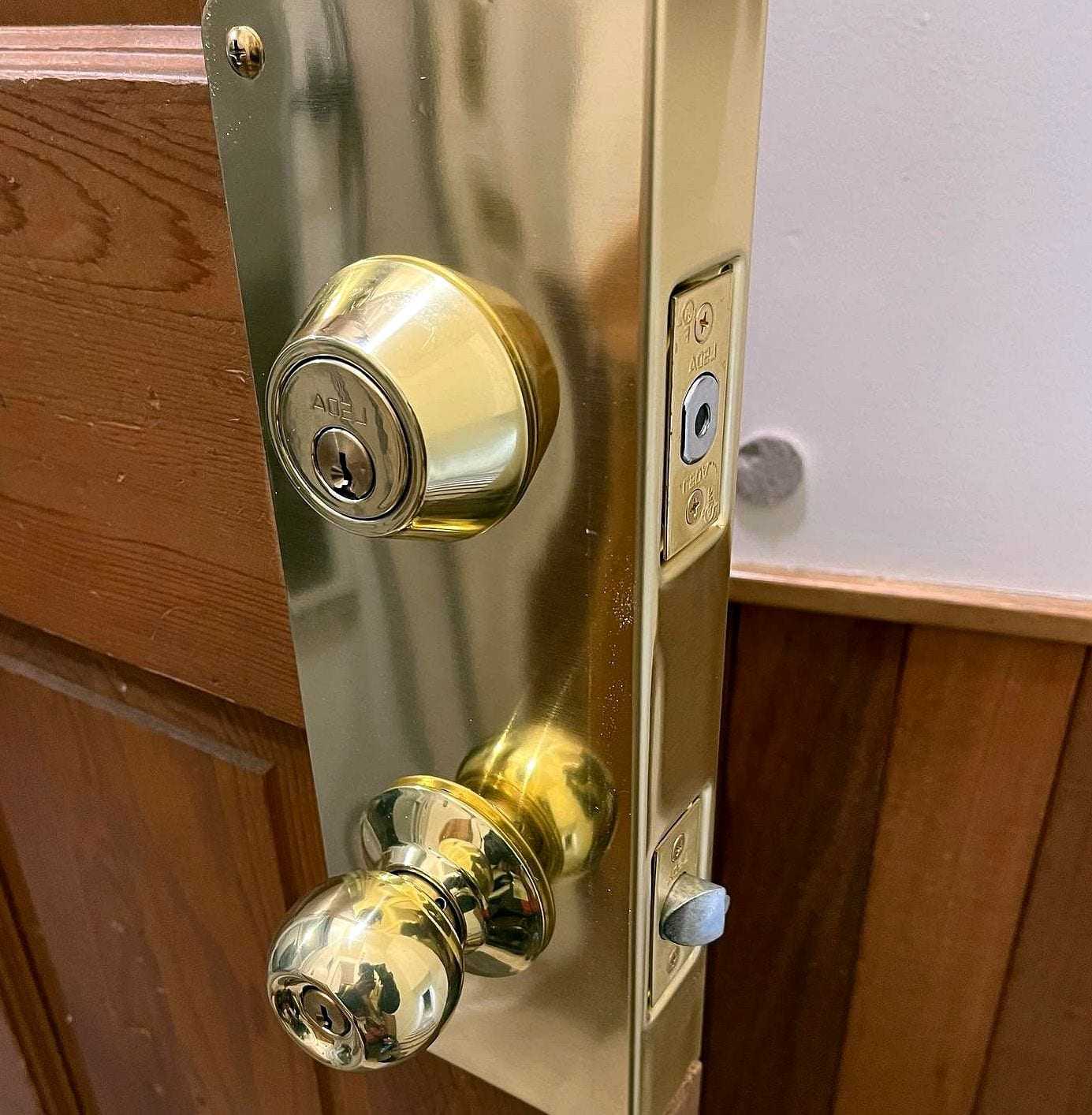
| Mortise lock | Older houses and storefronts | Heavy body inside the door. Cylinder can be upgraded alone. | Needs its pocket in the door edge. Replacements must match the case. |
| Keypad deadbolt | Rentals, families, staff who change | Codes can be dropped at once. Wear marks on buttons give codes away. | Mind the sun and the salt on an exposed door. Batteries once a year. |
| Smart lock | Owners who want a log and remote locking | Depends on updates, passwords and the phone that holds them. | The bolt must move freely by hand first, or the motor strains. |
| Sliding door lock and bar | Patio doors | The latch is light. A bar or a second pin does the real holding. | Rollers come first, so the panel sits square. |
| Padlock and hasp | Gates, sheds and cages | A shrouded shackle and through-bolted hasp, or it is for show. | Choose marine-grade metal near the water. |
What Shapes the Cost of a Lock Job
No two doors add up the same way, and a figure given without seeing the lock is a guess. These are the things that move it:
- Lock grade. A heavier test rating means thicker parts and a higher price on the box.
- Door condition. Split edges, oversized holes and tired hinges have to be settled before new hardware helps.
- Number of locks. Several done in one visit share the trip and the setting up.
- Key type. Restricted keys, chip keys and long-discontinued profiles all take more than a plain blank.
- Extra hardware. Strikes, wrap plates, guards and closers are small parts that decide whether the lock does its work.
- Keeping what is there. Rekeying sound hardware is nearly always less than replacing it.
Questions to Ask Before Choosing
- Who opens this door, and how many of them lose keys?
- Is it sheltered, or does salt and sun reach the finish?
- Can people get out in the dark without hunting for a key?
- Will the other doors share this key?
- Is the frame strong enough for the bolt being considered?
- If it has a battery, where is the key that works without one?
- Can the maker still sell parts for it in ten years?
When the answer turns out to be the lock already on the door, the page on rekeying and lock changes covers what can be done with it.
Questions About Grades, Fit and Smart Locks
Are smart locks safe?
The bolt of a good one is as strong as any other. What changes is how it is told to open: codes, phones and radio in place of brass. Look for one that keeps a mechanical key, warns you early about its batteries and can drop an old code in a second. Then use real codes; four digits in a row is not one.
What do the security grades mean?
They are test results. Grade 1 locks are turned, hit and cycled far more times than Grade 3 before they may carry the mark. Grade 2 is a sensible floor for a front door; Grade 1 belongs on shop doors and on homes where the door itself is strong enough to use it.
Will a new lock fit the holes I have?
Usually, if you measure first: the hole in the face of the door, the hole in its edge, the backset and the thickness of the door. Older houses often have mortise pockets, and those take a lock made for them or a plate that covers the difference.
Can I keep my present keys with new locks?
If the new locks share the keyway of the old ones, they can be set to your key. If not, the choice is to rekey everything to the new key or to carry two.
Does a heavier lock make up for a weak door?
No. Doors fail at the frame and at the hinges long before a decent bolt gives way. Spend on the strike, the long screws and the frame first.
Between two locks? Tell us about the door and we will talk it through.