
Rekeying and Lock Changes
A lock has two lives: the metal on the door and the pattern of pins inside it. Rekeying changes the pattern and keeps the metal. Knowing which one is the trouble saves you from paying for both.
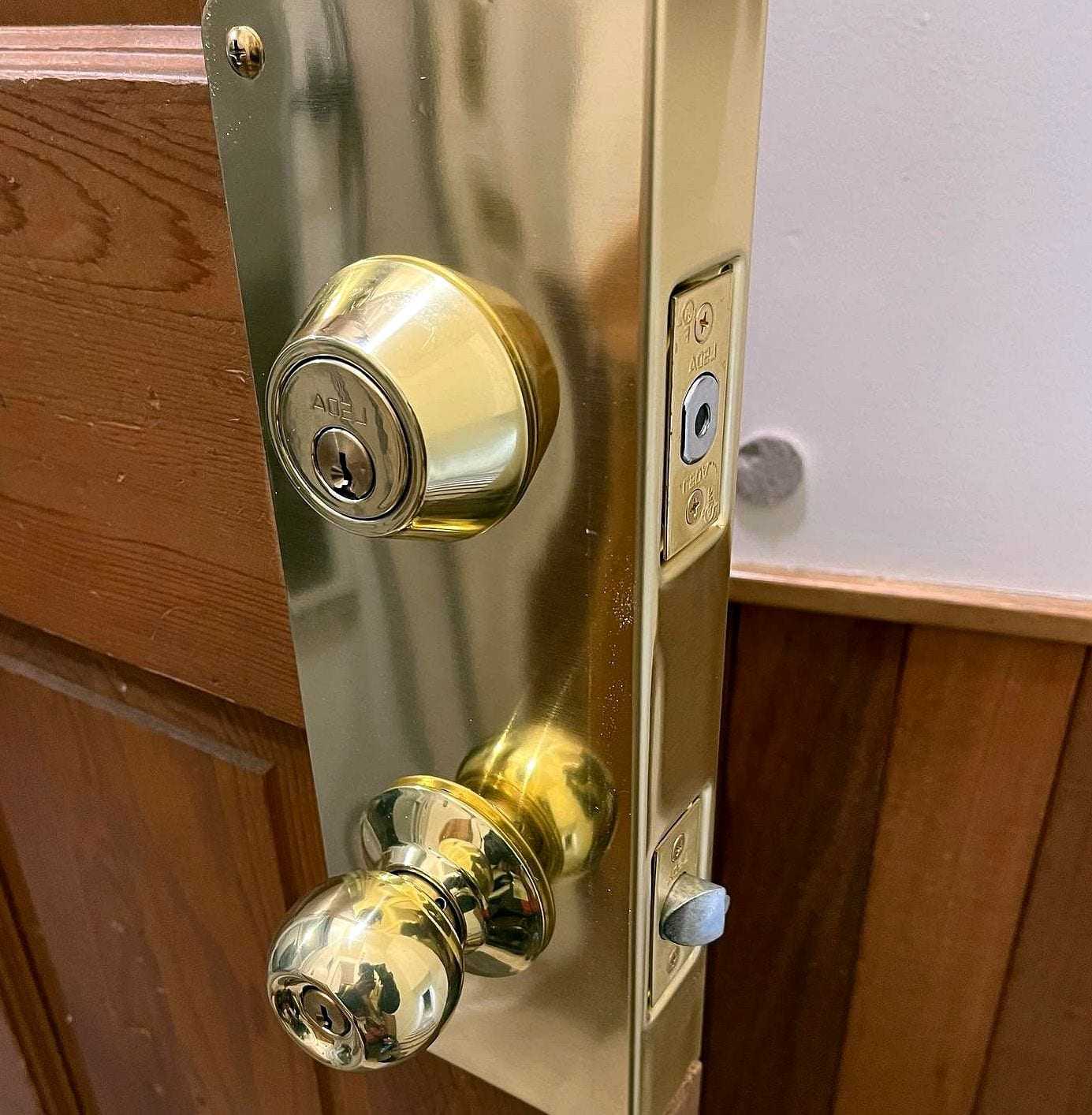
Rekey It or Replace It
| Situation | Rekey or replace | Why |
|---|---|---|
| You have moved into a house or condo | Rekey | Nobody knows how many copies the last owner handed out. The locks themselves are often sound. |
| A key was lost or stolen | Rekey | The missing key stops working, and the hardware stays. |
| A roommate, tenant or former partner kept a key | Rekey | The key that left is the problem, and a new set solves it. |
| Four doors, four different keys | Rekey to match | Locks that share a keyway can usually be set to one key. |
| The key drags, and a fresh copy drags too | Repair, then rekey | Worn pins and a worn plug pass their wear on to any key. |
| The knob wobbles or the latch hangs | Replace that part | Springs and spindles wear out long before cylinders do. |
| The bolt is short or the housing is bent | Replace | Rekeying a weak lock leaves a weak lock with a new key. |
| The lock was pried or drilled | Replace | Once the body has moved, it no longer holds the pins in line. |
How a Cylinder Is Rekeyed
Inside the cylinder, a row of small brass pins rests on the cuts of the key. Each stack is split in two. When every split lines up with the edge of the plug, the plug turns. A different key needs a different set of splits.
- The lock comes off the door, and the cylinder comes out of the lock.
- The plug slides out behind a follower, a rod that keeps the upper pins and springs from jumping loose.
- The old lower pins are tipped out and the plug is cleaned.
- New pins are set to match the new key, one chamber at a time.
- The plug goes back, the springs close over it, and the key is turned in the hand before anything returns to the door.
- The lock is mounted again and tried with the door open, then with it shut.
It is the work Bob Kiewiet learned the trade on, at a small shop bench.
Signs You Should Change Your Locks
- You have the keys to a home you did not build, and have never rekeyed it.
- A key was lost with anything on the ring that shows your address.
- A former tenant, roommate or partner still has a copy, or may have.
- A contractor, sitter or cleaner had a key and the work is over.
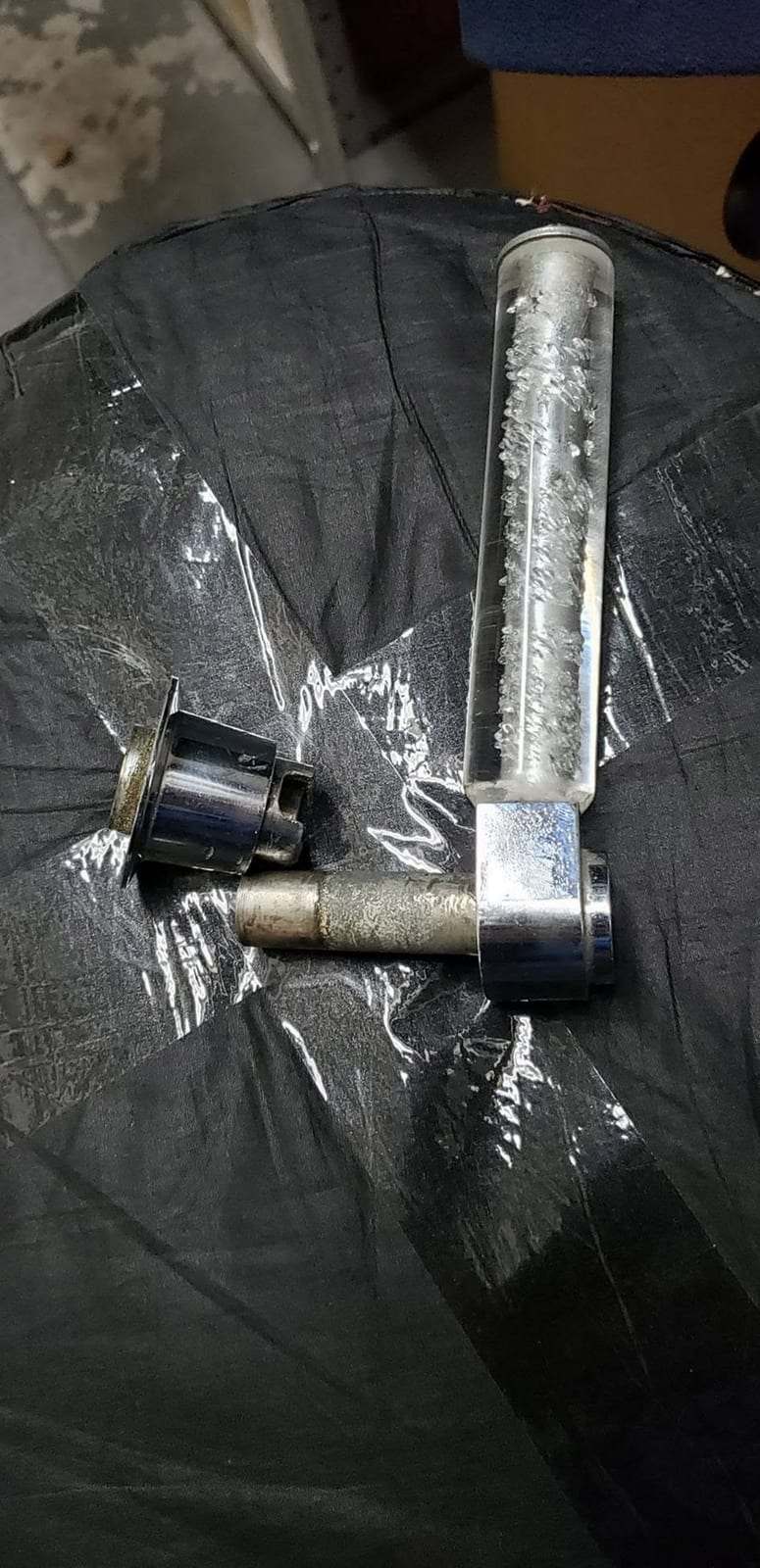
- The key has to be pulled out a hair before it turns.
- The bolt scrapes, or you have to lift the door to throw it.
- There are fresh scratches around the keyhole that you did not make.
Upgrading a Deadbolt
A deadbolt is only as good as what it slides into. Before a stronger bolt is worth its place, the strike plate should be held with screws long enough to reach the framing behind the trim, the bolt should travel its full inch, and the door should close without being pushed. A heavy bolt in a soft frame is a good lock on a weak wall.
So an upgrade starts with the door. If the old bore holes are round and true, a new bolt drops into them. If they are not, a wrap plate around the edge of the door can cover the damage and stiffen the wood at the same time.
Extra Keys While We Are There
Duplicate keys are cut from a key that works, then tried in the lock they are meant for. A copy of a copy picks up a little error each time, which is why the third spare from a kiosk so often sticks. If you have the original, keep it as the pattern and carry the copy.
Questions About Rekeying and Deadbolts
How long does rekeying last?
Until a key goes missing again. Rekeying does not wear a lock out, and the same cylinder can be rekeyed many times over the years.
Can all my doors work from one key?
Often, yes. It is called keyed alike. The locks need the same keyway, the shape of the slot the key slides into, so locks by one maker are the simple case. Mixed makers may need one or two cylinders changed first.
Is a deadbolt worth adding to a door that has only a knob?
On an outside door, nearly always. A knob lock holds with a spring, and a spring can be pushed back. A deadbolt throws solid metal into the frame and stays there.
Single cylinder or double cylinder?
A single cylinder has a key outside and a thumb turn inside. A double cylinder needs a key on both sides, which is meant for doors with glass near the lock. It can also trap people in a fire, and local rules may not allow it on a home, so think hard before choosing one.
Do I have to be home while it is done?
Somebody who may give permission should be there, and it helps to have every old key on hand so the count is known. The new keys are handed over at the end and tried in each door.
What about the mailbox and the side gate?
Ask when you call. Small cam locks and gate locks are usually replaced rather than rekeyed, and it is easier to bring the right one than to come back with it.
Moving in, or missing a key? Tell us how many doors there are and we will bring enough pins.