
How We Work
A locksmith’s job is short when the first five minutes go well. Here is what we ask, what we look at, and what you can do to help it along.
The Call
Bob Kiewiet starts with three questions. Where are you? What kind of lock is it? Is the trouble with a car or a building? They sound small, and they decide nearly everything: which tools come, which parts come, and whether this is a job for now or a job to book.
You do not need the right words for the hardware. “A round knob with a keyhole in it and a second lock above” tells us plenty. So does “the key is a fat black one with buttons”. If you can, say what the lock did just before it failed. A key that had been stiff for a month points one way; a key that was fine this morning points another.
Tell us about the place as well. Gates, guard desks, garage levels and street parking cost more minutes than locks do.
The Visit
We are a mobile business, so the work happens where the lock is. For a car that means beside the car. For a house it means at the door that is giving trouble, and for a shop it can mean finding the hour when fewest customers come in.
Have something ready that shows the lock is yours to open. For a car, that is a license and a registration or insurance card. For a home, it is ID, a lease or mail with the address. For a business, it is the owner, or a manager who can say yes. Any locksmith worth calling should want to know, and the same question protects your door from the next caller.
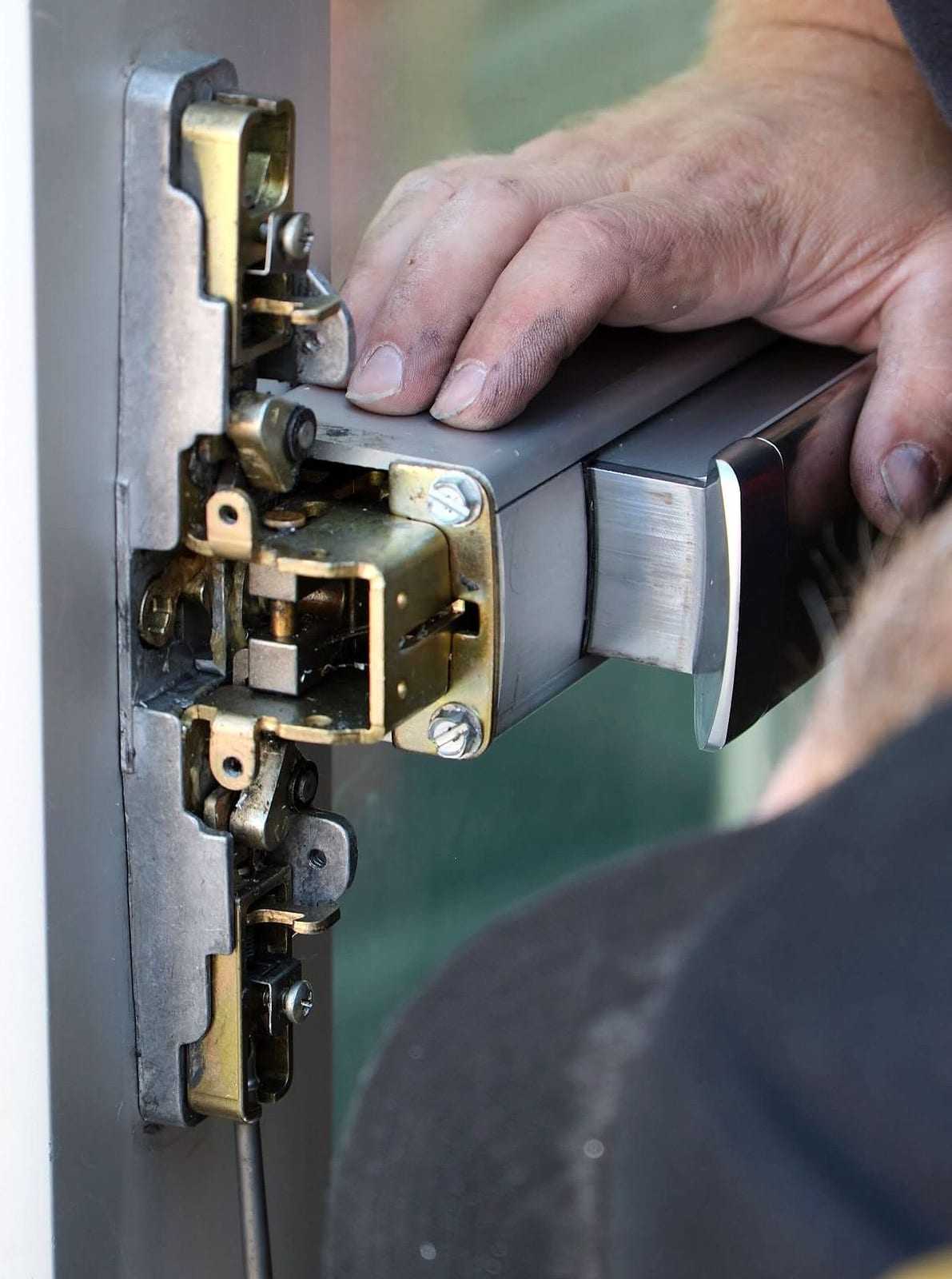
Then comes the look. Bob looks at the lock before he touches it, because a latch that has slipped and a cylinder that has seized look the same from three steps back.
What Helps on Your Side
- Clear the way to the door and keep pets in another room.
- Gather every key you have, even the ones that do not seem to fit anything.
- Switch on the porch or garage light if it is getting dark.
- Decide who is allowed to have a key before new ones are cut.
- If a key has broken, keep both pieces.
The Work
Opening comes first when you are locked out. A car door is opened without scratching the paint or tearing the weatherstripping. A house or shop door is opened at the lock, on the spot, and the lock is treated as something to keep rather than something in the way.
What follows depends on what the look turned up. A sound lock whose key has gone missing is rekeyed. A worn lock is rekeyed or has the worn part replaced, and only what has to be replaced is replaced. A broken one gives way to a new lock, and a bolt that was never strong enough is upgraded. If copies are wanted, they are cut from the key that works.
Older buildings ask for more patience. A lock from the 1960s can be taken down, cleaned and put back with years left in it, and sometimes that is the only way, because nothing sold today fits the hole. Newer developments are quicker, as long as the maker still sells the part.
Afterwards
Try the lock yourself, with the door open and again with it shut. Turn every new key once. A key that needs a wiggle on its first day will need a shove by next year, and this is the easiest time to say so.
Put the old keys somewhere they cannot be mistaken for the new ones, or throw them out. Write down who holds a copy. If the lock is outside, give it two drops of dry lubricant when the seasons turn; the maintenance guide has a schedule for that.
For questions that come up later, the questions page is sorted by topic, and the phone number is the same one you called the first time.
Three answers get us started: where, what kind of lock, car or building.